
Raising Awareness of Common Myths About Mouth Cancer
By guest writer Holly Dodd
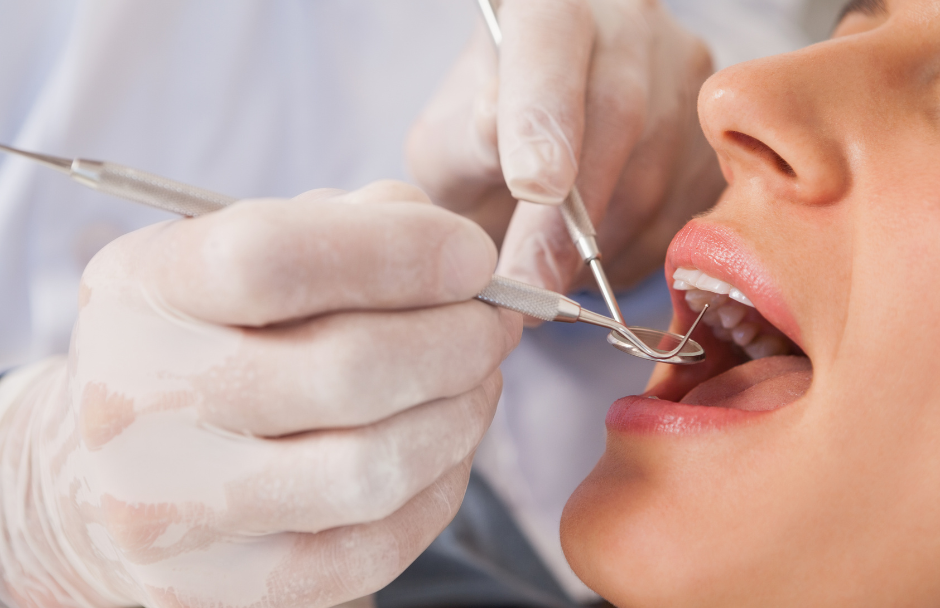
Most of us know mouth (oral) cancer exists, but the details often get lost. A lot of people are still not sure what the early signs look like, or who is most at risk. That gap in knowledge can delay diagnosis, and late-stage treatment is always tougher on patients and families.
What is oral cancer, and where does it affect?
Oral cancer is a term for any cancer that’s inside the mouth, so this includes:
Lips – most commonly the lower lip, though tumours can appear on the upper lip and in the corners.
Tongue – usually the front two-thirds, but the base of the tongue can also be affected.
Floor of the mouth – that soft area under your tongue.
Roof of the mouth – both the hard and soft palate.
Gums – and inner cheeks.
Retromolar area – the small patch just behind the back teeth.
Tonsils and oropharynx – the gateway where your mouth meets your throat.
Here are the myths we hear most often, paired with the truths that could make all the difference.
“Only heavy drinkers and smokers get mouth cancer.”
While tobacco and regular drinking do raise the risk, oral cancer can appear in people who never smoke or drink heavily. Using alcohol and tobacco together can increase the chance of mouth cancer up to thirty-fold. Other risk factors include HPV infection and too much sun exposure on the lips.
“I’d spot it straight away.”
Early changes can be subtle: a flat white or slightly raised red patch, a small lump, or an ulcer. Because it can start so small it’s essential to go for regular checkups at the dentist as they are trained to spot these very early warning signs.
“This ulcer will go away on its own.”
Most mouth ulcers heal within a week or two. If a sore lasts longer, see your dentist or GP. Oral cancer often starts off painless, whereas ordinary “canker sores” hurt from the start.
“I’m safe because I’ve had all my teeth out.”
Having dentures doesn’t remove the tissue where cancer can grow. In fact, some studies find that poorly fitted dentures can increase your chances, due to them rubbing on the gums and causing sores, which can lead to cancerous tumours.
Simple ways to stack the odds in your favour
- Stub it out – quit smoking or vaping for good.
- SPF for your lips – even on a breezy day.
- Mind the measures – keep alcohol within NHS guidelines (14 units a week).
- Pile on fruit & veg – vitamins and antioxidants support healthy cells.
- HPV vaccine & safer sex – reduces the strain linked to throat cancers.
- Book your check-ups – dentists are trained to spot early changes.
Red-flag signs worth a prompt dental or GP visit
- Red, white or speckled areas that won’t brush off
- Unexplained lump, swelling or thickening in the mouth, throat or neck
- Numbness of the lip or tongue
- Loose tooth, or denture suddenly misfitting, with no obvious reason
- Persistent hoarseness, sore throat or earache
- Difficulty chewing, swallowing or moving the tongue/jaw
- Ulcer, sore or patch that hasn’t healed after three weeks
- Unintentional weight loss or lingering bad breath
Cancer support
If you feel you may be experiencing symptoms of mouth cancer, please speak to your GP as soon as possible. If you or someone you love have been affected by cancer and are in need of support, don’t hesitate to contact our cancer support centre, The Leveson Centre, where you can speak to our staff about whatever is on your mind or get involved in our various wellbeing groups and activities.