
Beyond Treatment: The Benefits of Non-Clinical Support
By guest writer Rosie Buckley
When thinking about healthcare, there’s a good chance the first thing that comes to mind is medical treatment.
Getting the treatment you need is, of course, important, but it’s not the only thing that matters for your recovery or wellbeing.
Factors like social connection and emotional wellbeing can have a surprisingly large impact on your overall health. One widely-quoted study even suggests that loneliness may do as much harm as smoking 15 cigarettes per day.
That’s why healthcare is about looking after a whole person, not just managing a condition. Traditional healthcare settings have got the latter covered, but they often fall short when supporting people’s confidence, mental health and sense of independence.
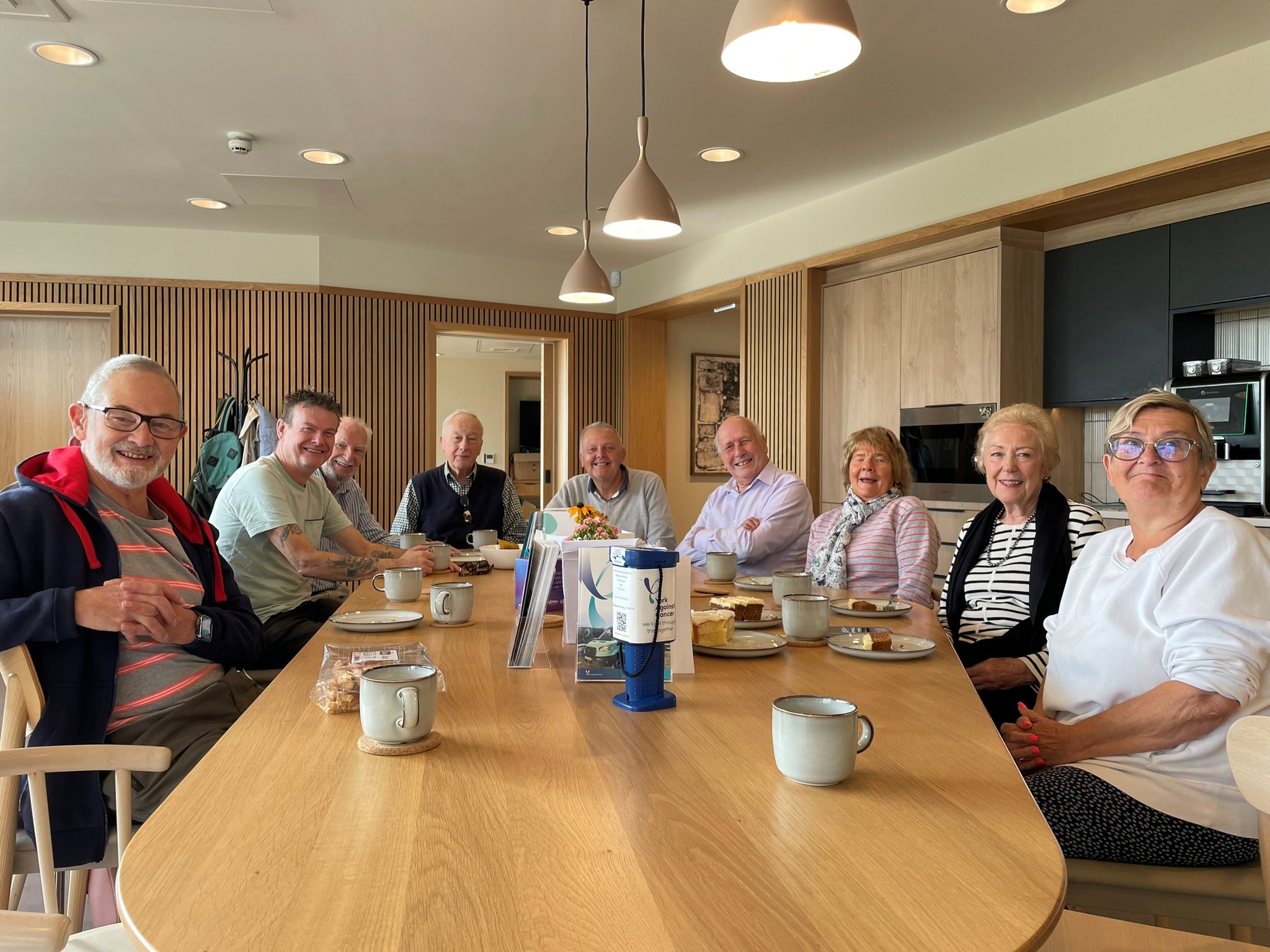
Here at The Leveson Centre, they provide community-based, non-clinical therapies that complement medical care, as well as help foster connections and provide practical guidance. Here’s why that matters.
Looking Beyond Medical Treatment
If you’re asking yourself “What is non-clinical support?”, then you’re definitely not alone. Put simply, it’s any type of service or activity designed to improve your overall wellbeing without replacing medical care.
While medical care focuses on managing physical ailments, non-clinical support offers holistic care, which considers everything that could affect your health and wellbeing. This includes things like your mental wellness, relationships, living situation and finances.
Medical professionals do the vital work of diagnosing and treating health conditions, but they are busy and often lack the time to look into the other challenges their patients may be facing, like loneliness or a lack of confidence.
But these issues matter, both during recovery and everyday life. Help is available, but you must look beyond clinical settings to find it.
Supporting Emotional Wellbeing
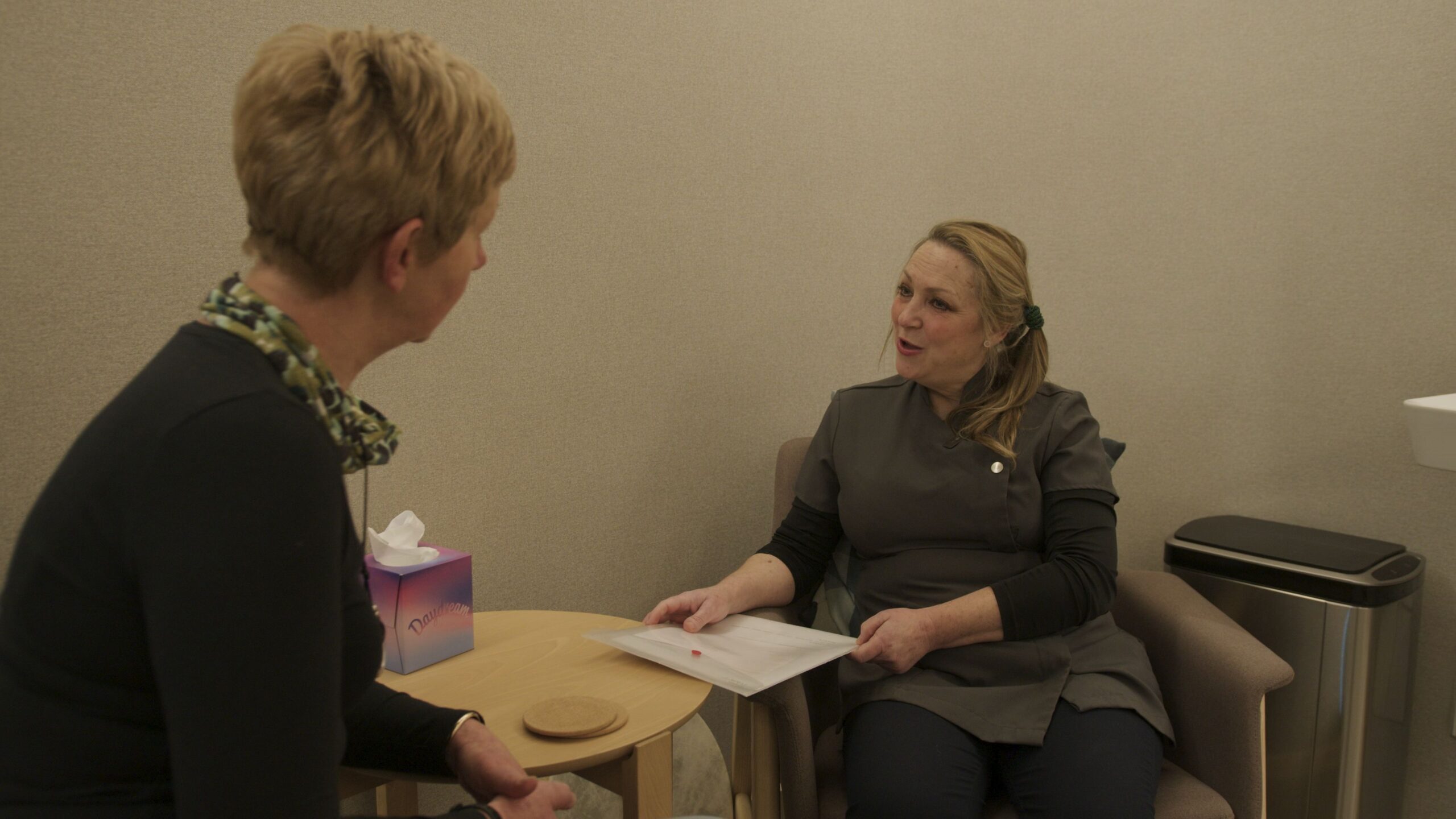
Emotional support is one of the most important non-clinical services. It can be invaluable for those processing a health diagnosis or adapting to a new lifestyle during recovery.
These challenges naturally result in a lot of complex emotions, which can have a negative impact on mental health. In fact, those living with long-term conditions are more than twice as likely to experience mental health challenges.
This is a problem because mental health conditions have been shown to affect people’s ability to manage their condition, impacting recovery and making the condition even more difficult to deal with.
The Leveson Centre helps people process their feelings and prevent harm by offering a number of relaxing alternative therapies and mindfulness practices. But even just seeking out a peer-support group can be extremely valuable.
Encouraging Confidence and Independence
After we’ve physically recovered from a serious illness or injury, we may lack the confidence to attempt basic tasks that we once took for granted. It may even be hard to go about your daily routine on your own.
Rebuilding that confidence is another challenge that non-clinical support services can help with.
Whether it’s hearing about how others regained their abilities or working through tailored exercises with a professional, there are many ways it can help build up your strength and sense of independence. For some people, this may also include accessing additional support at home to help them continue living independently while recovering from illness or adapting to a long-term condition.
Even just knowing that you have a support network to fall back on can give you a massive boost.
Supporting Families and Carers
Those close to a person who has or is recovering from a health issue often find themselves thrust into the role of unpaid carer. They may not be physically suffering, but they’re often mentally going through a tough time too.
This can affect the crucial role they play in supporting those they love. Ensuring they are looked after also ensures you are looked after.
Non-clinical services help families and carers by offering information and opportunities to connect with those facing similar challenges.
Here at The Leveson Centre, carers are welcome to drop in and discuss anything that’s on their mind. Whether you’re looking for practical guidance or just a sympathetic ear to listen, we’re here for you.
Why Non-Clinical Support Matters
There’s more to health than medical treatments, essential though they may be. And there are more places to seek support than just traditional healthcare settings.
The Leveson Centre in York offer a variety of complementary therapies for people affected by cancer and their loved ones, including hypnotherapy, aromatherapy and massage.
All these services are provided in a comforting, non-clinical setting, which helps promote relaxation and reduce anxiety.
As a complement, not a replacement, for conventional medicine, non-clinical services deal with the factors that the former misses. They ensure that your personal circumstances, emotional wellbeing and support network are all aligned to best restore your health.